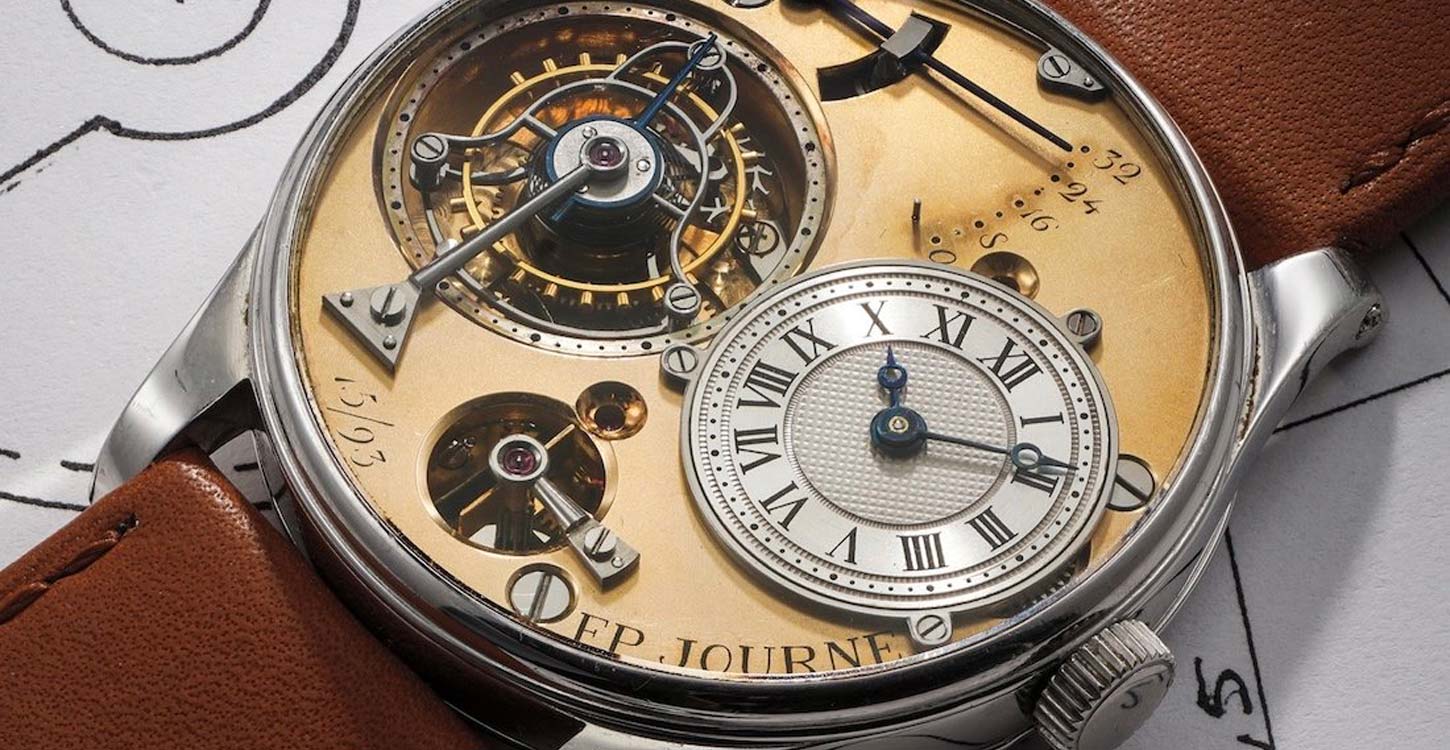
For many investors, wealth creation has traditionally focused on stocks, bonds and property. But in recent years, a growing number of people have begun exploring a different category of investment known as “passion assets.”
Passion assets are investments that combine financial value with personal enjoyment. They include items such as fine wine, classic cars, collectable motorbikes, rare watches, art and luxury handbags. Unlike traditional financial assets, they can often be appreciated physically and emotionally as well as financially. For some investors, the appeal is obvious. If an asset performs well financially, that is welcome, but even if returns are modest, the enjoyment of ownership may still justify the investment. However, like all investments, passion assets come with risks and require careful consideration.
Passion assets are investments that combine financial value with personal enjoyment
What Are Passion Assets in Investing
This form of investing sits somewhere between collecting and investing. These assets often appeal to enthusiasts who already have a strong interest in a particular area, whether that is vintage automobiles, rare wines or historical motorcycles. Unlike shares or bonds, passion assets are tangible and finite. Their value is often driven by scarcity, provenance, condition and cultural significance rather than company earnings or interest rates. For wealthy collectors, these assets can also provide diversification.
Some studies have suggested that luxury collectables have relatively low correlation with traditional markets, meaning their values do not always move in line with equities or bonds. In addition, some investors simply enjoy owning something they can see, touch and experience rather than a digital entry on a brokerage statement.
Investing in Fine Wine: Risks & Opportunities
Fine wine has long been regarded as one of the most established passion assets. High-end wines from prestigious producers such as Bordeaux, Burgundy and certain Italian and Spanish estates are produced in limited quantities and often improve with age, which can drive demand over time. Historically, the long-term returns from wine have been respectable. Over the past two decades, indices tracking fine wine prices have delivered strong appreciation, with some estimates showing returns of around 7–10% annually, depending on the producer and vintage.
However, the market has experienced a correction recently. After strong price rises during the pandemic years, when low interest rates and rising wealth fuelled demand, the fine wine market has softened. Prices fell in 2025, with the widely watched Liv-ex Fine Wine 100 index declining around 2.8% during the year, marking the third year of weaker performance.
This downturn reflects several factors, including reduced demand from US buyers, increased supply from previously hoarded vintages, and shifting investor attention toward other asset classes. For collectors with a long-term outlook, however, such corrections may present opportunities to acquire prestigious wines at more attractive prices.
Investing in Classic Cars: Risks & Opportunities
Classic cars are another prominent passion asset and have grown into a substantial global market. Estimates suggest the global classic car market is worth close to $40 billion, with major auctions generating hundreds of millions of dollars in sales each year. Historically, rare and desirable models have delivered impressive returns. Over ten years leading up to 2020, the value of classic cars tracked by major indices rose by more than 300%, outperforming many other collectables. However, the market has cooled somewhat more recently. After a strong boom between 2020 and 2022, rising interest rates and economic uncertainty have led to a period of correction.
Recent data from collectors’ price guides suggest that, many classic car values declined during the past year, some British marques saw significant price adjustments, and overall market activity has become more selective. Despite this cooling, the long-term fundamentals of the market remain intact. Demand is often driven by generational trends: cars that were aspirational during someone’s youth tend to become highly sought after when that generation reaches peak earning power. At present, models from the 1980s and 1990s are attracting increasing attention from collectors.
Investing in Collectable Motorcycles: Risks & Opportunities
Although less widely discussed than classic cars, collectable motorcycles have also become an increasingly popular passion asset. Motorcycles from manufacturers such as Ducati, Honda, BMW and Harley-Davidson can command significant prices, particularly when they are rare, historically important or in exceptional condition. Motorcycle collecting appeals to a slightly different type of enthusiast. The market tends to be smaller and often more niche than the classic car world, but it offers similar characteristics of limited production numbers, strong enthusiast communities and the historical significance for certain models.
Like classic cars, values can fluctuate depending on collector interest and generational trends. Motorcycles associated with iconic racing history or landmark engineering developments often attract the strongest demand.
Risks of Passion Asset Investing
While passion assets can be enjoyable and sometimes profitable, they differ significantly from traditional investments. One key difference is liquidity. Selling a rare car, vintage wine collection, or classic motorcycle can take time. Prices may vary widely depending on auction results, market sentiment and the availability of buyers. Storage and maintenance costs are also important considerations. Fine wine requires proper storage conditions, while classic cars and motorcycles need maintenance, insurance and often specialised storage facilities. Another risk is the potential for fraud or misrepresentation, particularly in markets where provenance and authenticity are crucial. Experts warn that investors should be cautious of high-pressure sales tactics and “too good to be true” opportunities, particularly in the wine market, where scams have occasionally occurred.
Liquidity, storage and authenticity risks make passion assets very different from mainstream financial instruments
How Passion Assets Fit Into a Portfolio
For most investors, passion assets are best viewed as a complement to a traditional investment portfolio rather than a replacement for it. Stocks, bonds and diversified funds and property remain the foundation of most long-term investment strategies because they offer liquidity, transparency and reliable historical returns. Passion assets can play a different role. They may provide diversification, aesthetic enjoyment and potentially attractive returns over long periods – but they should typically represent only a modest portion of overall wealth.
Passion assets may diversify a portfolio, but they should complement – not replace – traditional investments
When to Seek Advice on Alternative Investments
As passion investing becomes more popular, many investors are seeking guidance on how these assets might fit into a broader financial plan. Issues such as taxation, insurance, estate planning and portfolio balance can all become relevant when significant sums are allocated to collectable assets. At FindAWealthManager.com, we help connect individuals with experienced, FCA-authorised wealth managers across the UK who can guide investment strategy and wealth planning.
While investing in passion assets may begin with personal enthusiasm, integrating these assets into a wider financial plan can help ensure they complement, rather than complicate, your long-term financial goals.
Important information
The investment strategy and financial planning explanations of this piece are for informational purposes only, may represent only one view, and are not intended in any way as financial or investment advice. Any comment on specific securities should not be interpreted as investment research or advice, solicitation or recommendations to buy or sell a particular security.
We always advise consultation with a professional before making any investment and financial planning decisions.
Always remember that investing involves risk and the value of investments may fall as well as rise. Past performance should not be seen as a guarantee of future returns.
Find the Right
Wealth Manager -
in Under 3 Minutes
Start your free search
Join thousands of individuals who've used our tool to find trusted, FCA-regulated advisers to maximise their wealth.
- No fees, no obligation
- Private & secure matching in minutes
- Trusted since 2012 by thousands of clients